
Expanding access to housing finance: How a rent-to-own model is creating pathways to homeownership in Tanzania
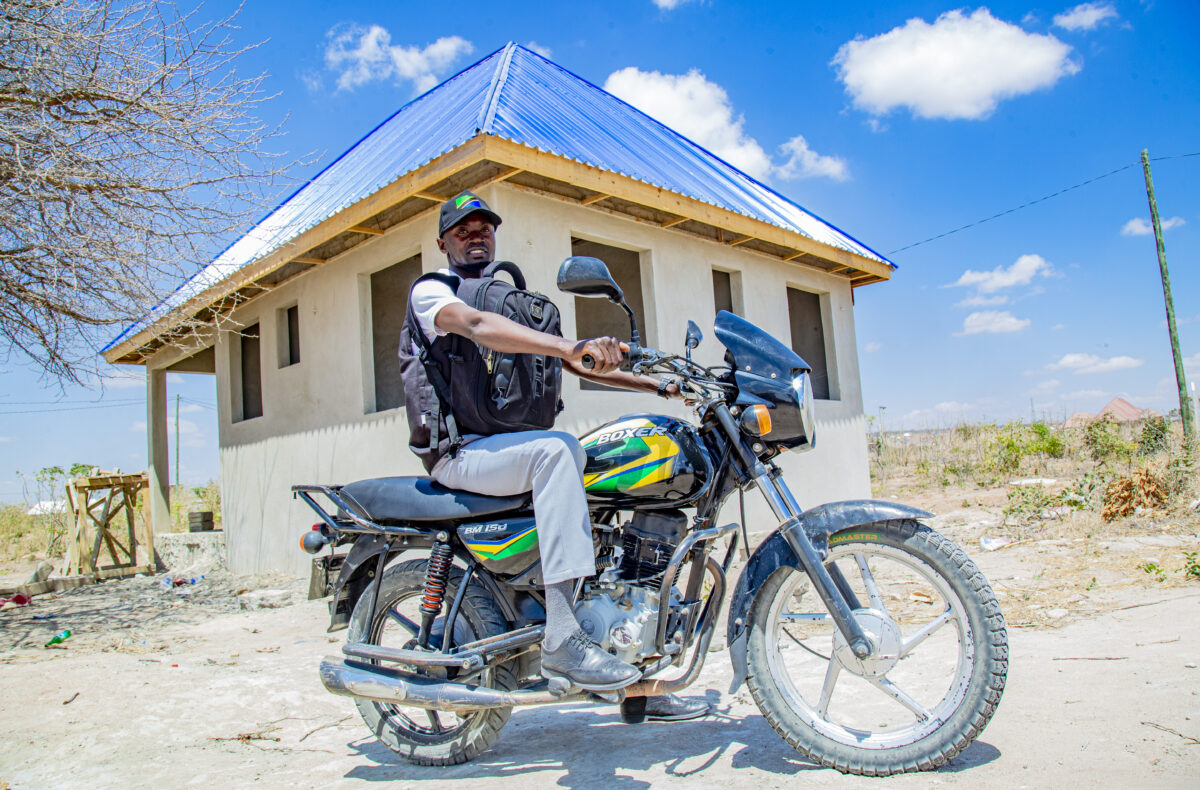
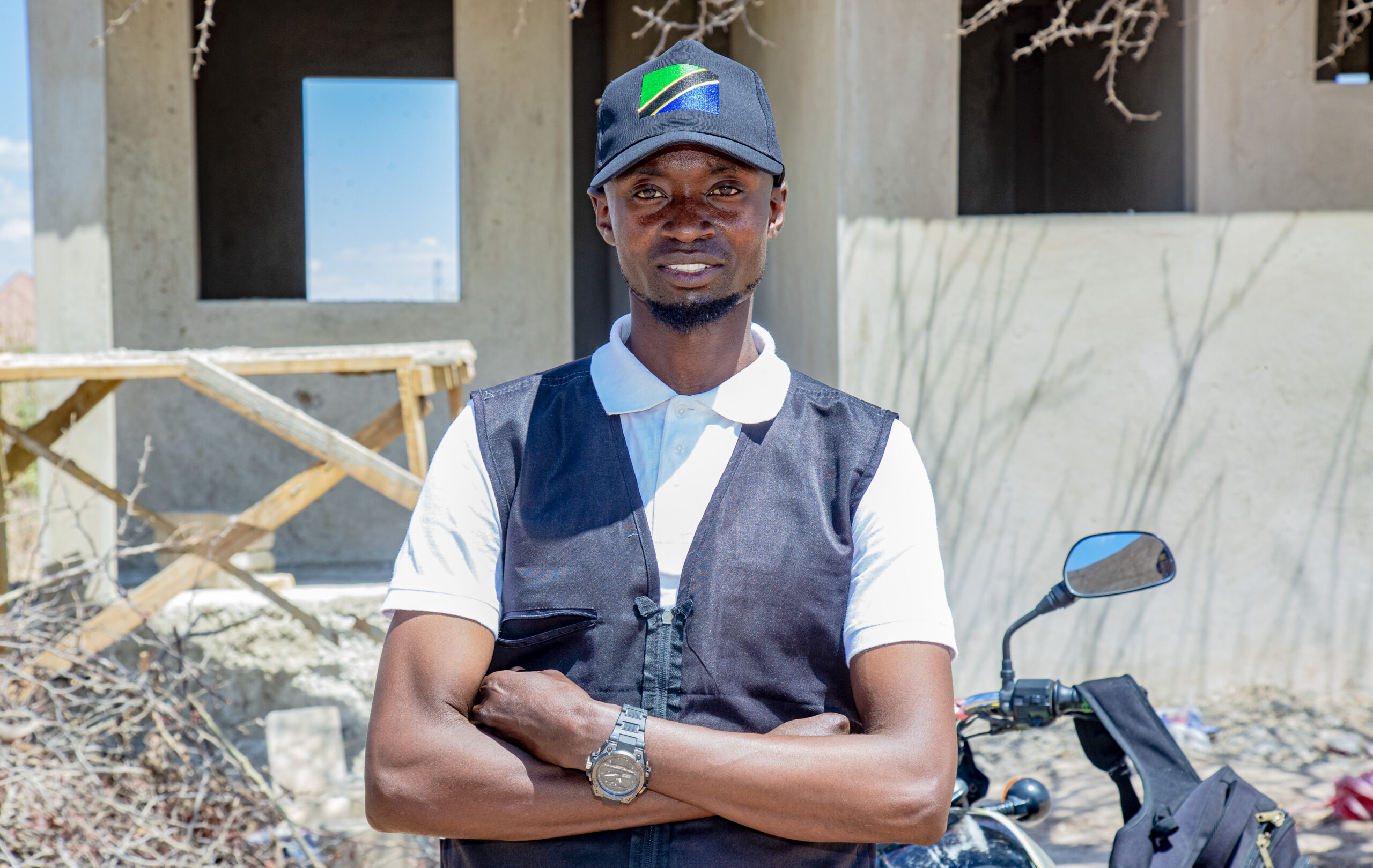
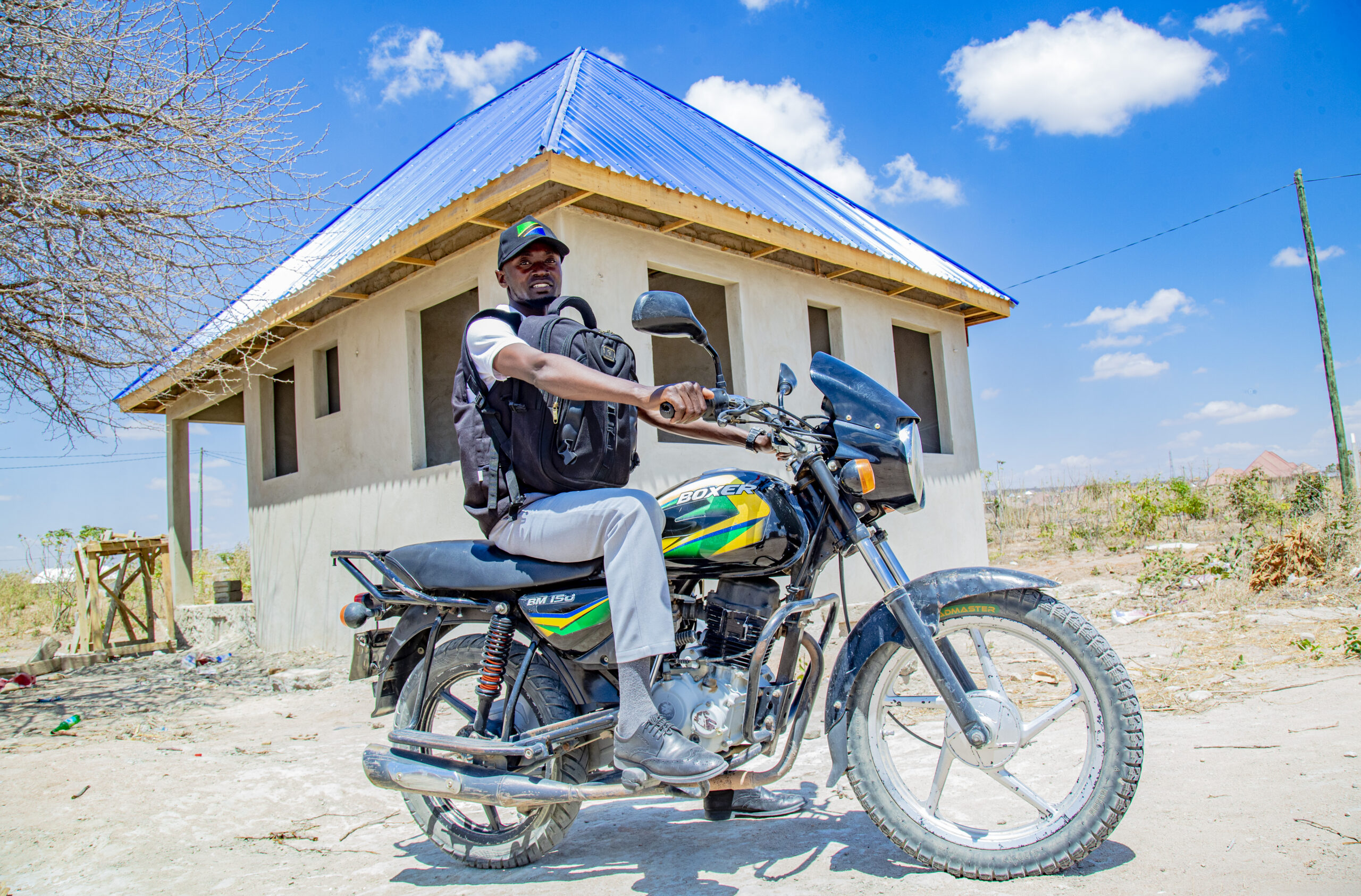
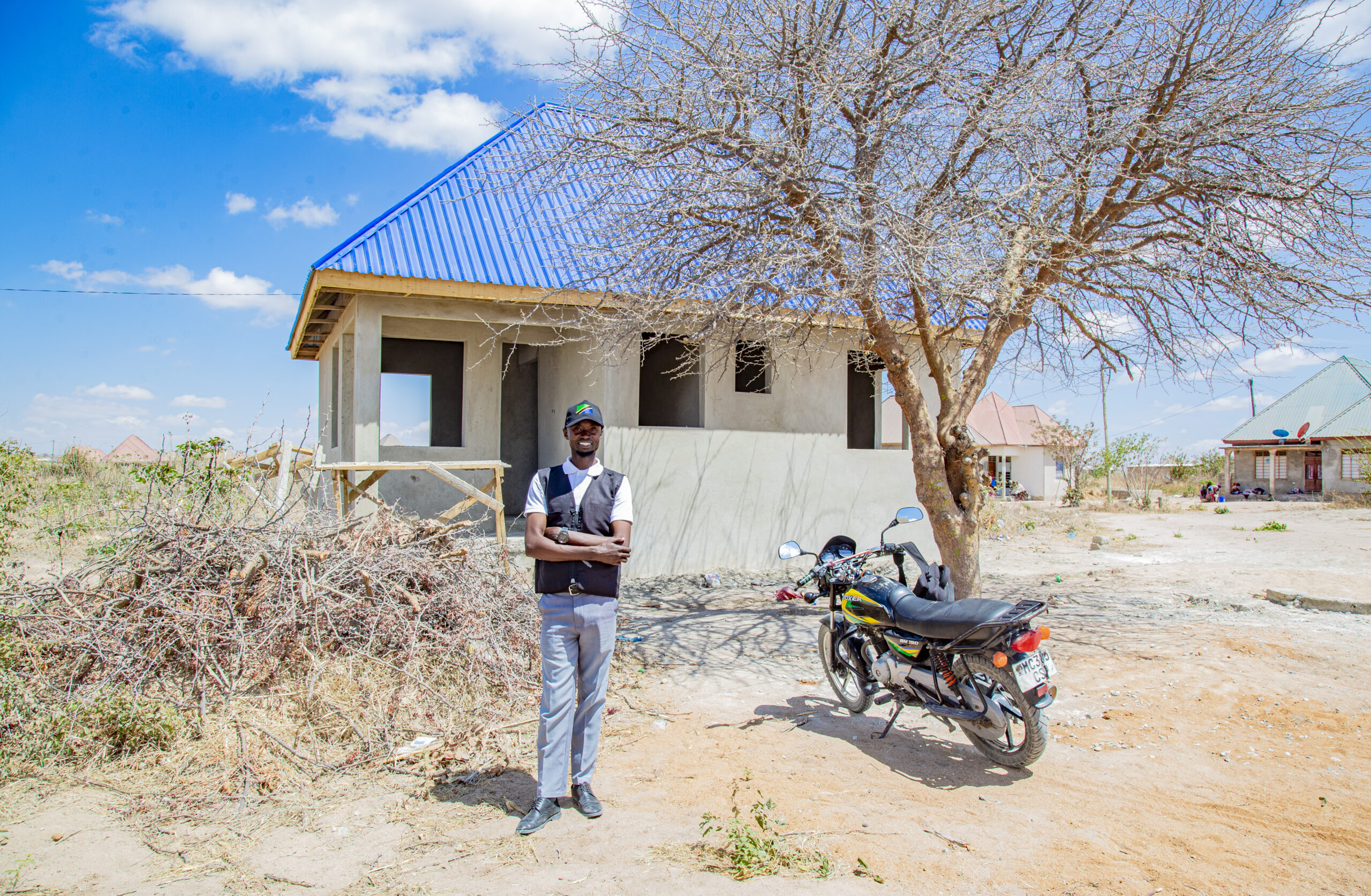
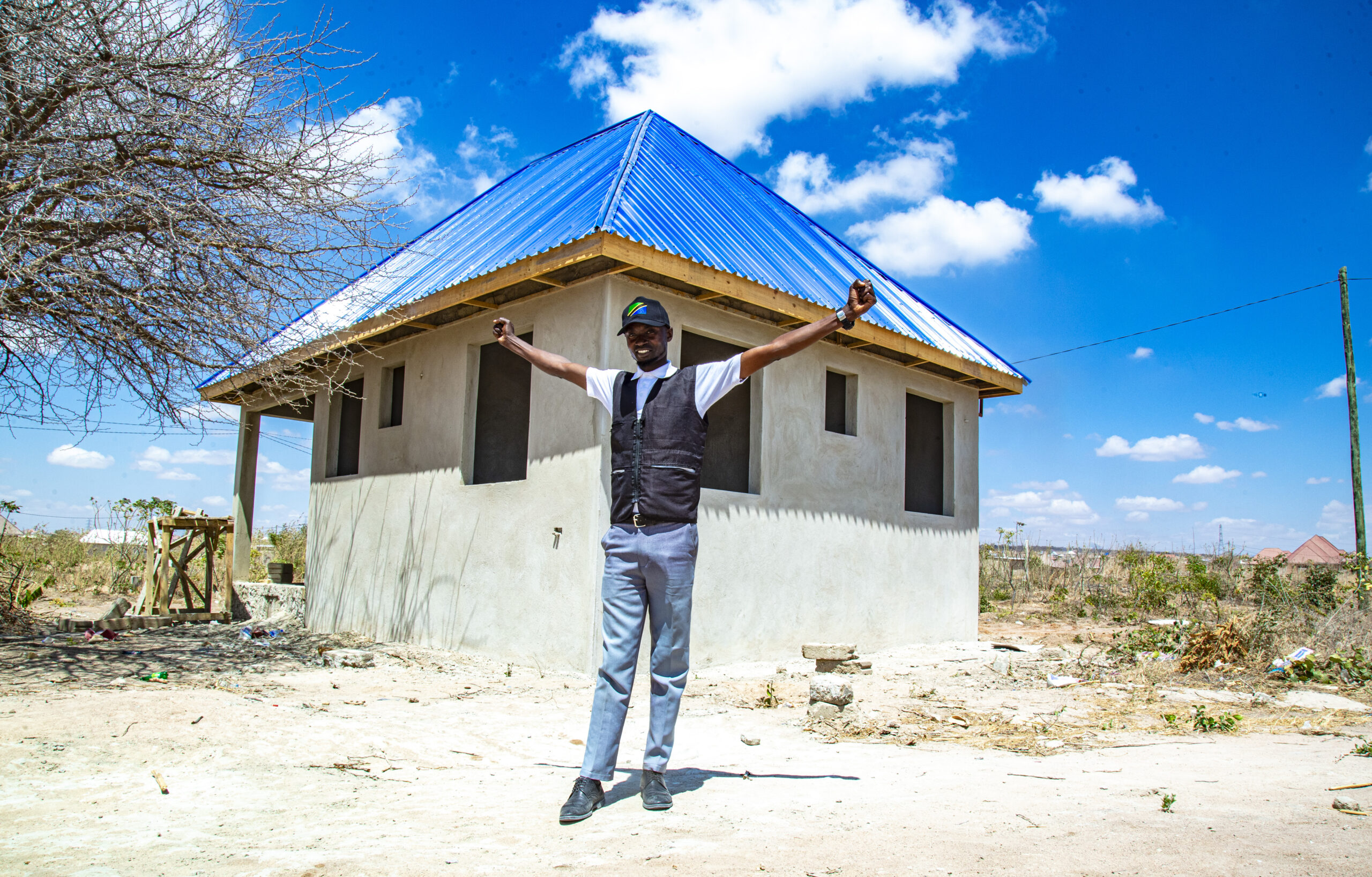
For Issa, a young boda-boda (motorcycle taxi) rider in Dodoma, Tanzania, having a home for his family is a dream come true.
Finding a suitable home for his family of four had long been a challenge. He, his wife and their two children lived in a single rented room, with limited space and little privacy. The conditions were particularly difficult during his wife’s pregnancies, when she had to take up shelter with her parents to have a safe and comfortable place to welcome their children.
Today, the family is now set to move into their three-bedroom home.
For Issa, the change represents a significant step towards the stability and security he had hoped to provide for his family.
“We have a high-quality home, and we can even accommodate guests! Coming from a single room, this feels like a dream come true.”
Issa is one of the families partnering with Habitat for Humanity Tanzania under a Rent-to-Own (RTO) model, supported by DoCARE International. The approach is creating an alternative pathway to decent housing for low-income households, particularly young people and women traders who may face difficulties accessing conventional housing finance.
Making housing finance more accessible
For many people earning a living through
small businesses and informal work, securing housing finance can be difficult.
Irregular incomes, limited savings and the requirements of conventional lending
arrangements can make it challenging to access the financing needed to build a
decent home.
The Rent-to-Own model seeks to address some
of these barriers by linking home construction with a structured repayment
arrangement. It targets low-income families, registered small-business youth
and women traders, enabling participants to access homes built on their own
land. The families make monthly repayments over five to seven years covering
construction costs and affordable borrowing costs.
The arrangement is formalized through an
agreement between Habitat Tanzania, Makazi Bora Limited, a microfinance
institution and the future homeowners, witnessed by local government officials.
The families make monthly repayments over five to seven years, covering
construction costs and affordable borrowing costs.
The microfinance institution supports the
process through credit assessments, financial literacy training and management
of repayment collections. This is complemented by financial literacy support to
strengthen their ability to manage household finances, develop saving habits
and plan for repayments.
This combination of housing provision,
financing and financial education is central to the approach. Rather than
relying solely on conventional mortgage arrangements, the model offers a
structured repayment pathway designed around the circumstances of its target
households.
A model designed to extend housing opportunities
A key feature of the Rent-to-Own model is
its revolving fund mechanism. As participants make their monthly repayments,
the funds are channelled towards supporting the construction of homes for
additional households.
This creates a financing cycle through
which repayments from one group of participants can help make housing
opportunities available to others. Once a participant completes the repayment
period, they receive a certificate confirming their occupancy or ownership, in
line with the terms of their agreement.
Issa notes that the financial literacy
training has helped him improve how he manages his money. He has now become a
trusted leader and inspiration among fellow boda-boda and bajaj riders.
His experience highlights how financial
education can complement access to housing, supporting households to manage
their resources and work towards longer-term financial stability.
Access to affordable housing requires more
than the construction of homes. It also depends on whether financing
arrangements are accessible to households whose incomes and livelihoods may not
fit conventional lending models.
For families like Issa’s, this can mean
greater security and a more suitable place to build their lives. More broadly,
the model points to the role that alternative housing finance approaches can
play in expanding access to decent, affordable homes.